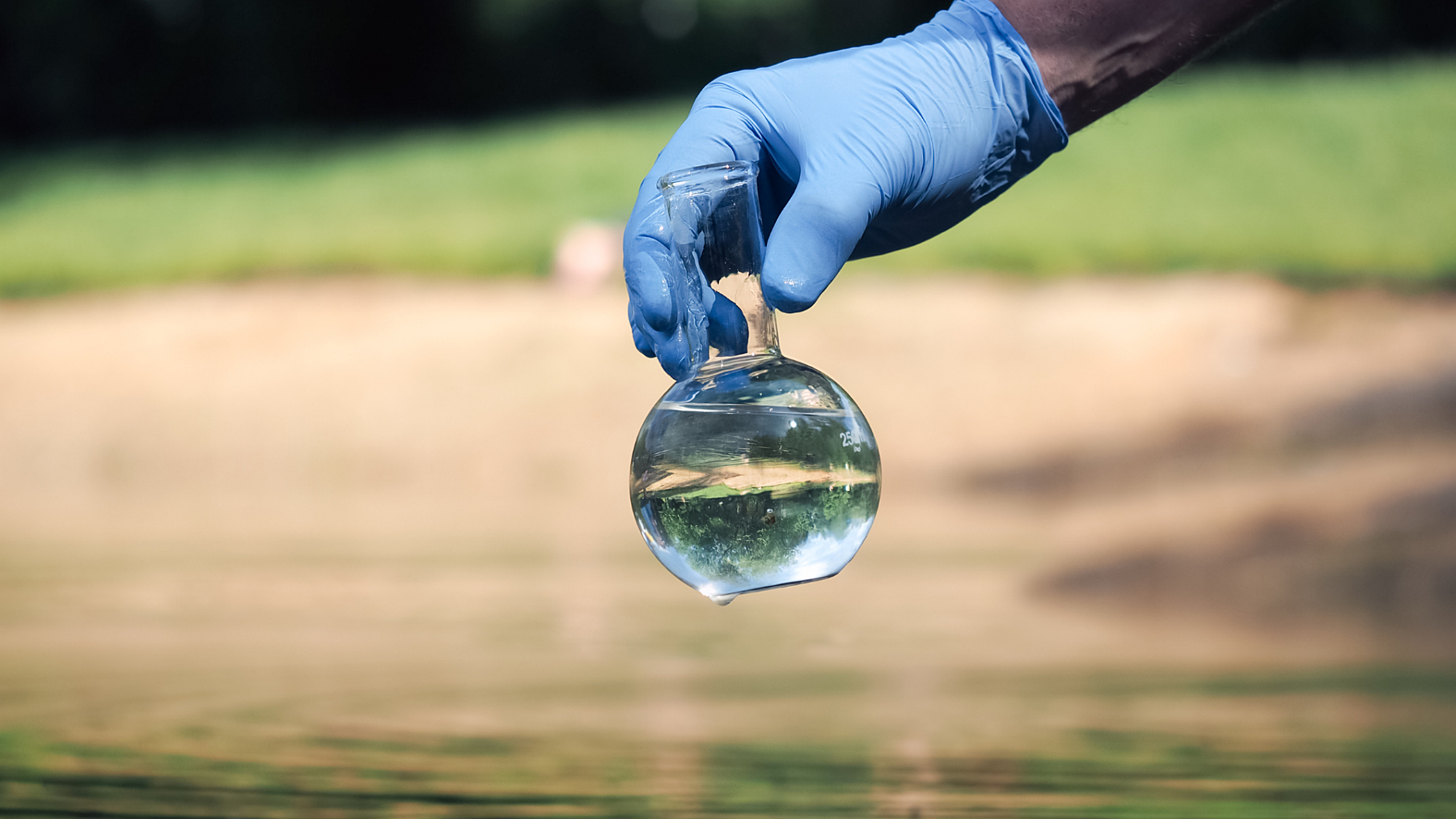
When New Jersey and Long Island homeowners decide to test their water, they often gravitate toward the kitchen tap. It’s a logical choice—it’s where the coffee is brewed and the pasta water is boiled. However, as we move through 2026, the complexity of internal plumbing has made one thing clear: testing a single faucet is like checking only one tire on a car and assuming the whole vehicle is safe.
Your home is a network of independent “micro-environments.” To get an accurate diagnostic of your water quality, you must understand why different taps can provide vastly different results.
The Variable Impact of Internal Plumbing
The water coming from your utility or well might be pristine, but the “last mile”—the pipes inside your walls—can change that chemistry.
1. The Legacy of Lead Solder
While your main service line may have been replaced under New Jersey’s 2031 mandate, the internal plumbing in many property types still relies on copper pipes joined with lead solder. This solder isn’t distributed evenly; a bathroom vanity added in 1970 may leach significant lead, while a kitchen line renovated in 2026 remains clear.
2. Point-of-Use Fixtures
Modern faucets often contain brass components. Even “lead-free” brass can contain trace amounts of lead. If a specific guest bathroom goes unused for days, the water sitting against that brass fixture can accumulate much higher concentrations of metals than the high-traffic kitchen sink. This is why real estate testing should always include multiple sampling points.
Biological Micro-Climates: The Biofilm Factor
Bacteria don’t live in the water alone; they live on the surfaces of your pipes. These “biofilms” are often concentrated in specific “dead-end” branches of a home’s plumbing.
- Stagnation Zones: Guest rooms, wet bars, or basement utility sinks where water doesn’t flow regularly are prime spots for Legionella or Coliform to colonize.
- Aerator Buildup: Faucet screens (aerators) can trap organic debris, creating a tiny ecosystem for bacteria. One faucet in your home might fail a bacteria test simply because of a dirty aerator, while the rest of the house remains safe.
Chronic vs. Acute: Identifying the Source
By testing multiple locations, a certified water analysis can perform a “differential diagnosis”:
| If the Contaminant is… | And found in… | The Source is likely… |
| Lead | Only the first draw of one tap | That specific fixture or its local solder. |
| Bacteria | Only the upstairs bathroom | A localized biofilm or aerator issue. |
| PFAS / Nitrates | Every tap in the house | The main water supply or well (Point of Entry). |
| Iron (Brown Water) | Only the hot water tap | The water heater’s internal tank. |
The Solution: A Zonal Testing Strategy
For a complete safety profile, we recommend a “Zonal Strategy” that captures the different ways water behaves in your home:
- The Kitchen (Primary Consumption): The baseline for daily health.
- The Master Bath (Absorption): Important for skin sensitivities and respiratory health during showers.
- The “Idle” Tap: A guest or basement sink to check for stagnation and biofilm growth.
As we discuss in our faq, understanding these variations is the only way to choose the right filtration. A Point-of-Use (POU) filter at the kitchen sink won’t protect you from lead in the bathroom, just as a Point-of-Entry (POE) system at the main won’t stop lead leaching from the pipes after the filter.
Conclusion: Get the Full Narrative
Your home’s water quality is a story with many chapters. Don’t stop reading after the first page. Whether you are dealing with Long Island water issues or navigating the new 2026 mandates in New Jersey, professional diagnostics across multiple taps provide the clarity you need.
Contact us today to schedule a comprehensive multi-point water audit. Let’s ensure every faucet in your home is telling a story of safety.