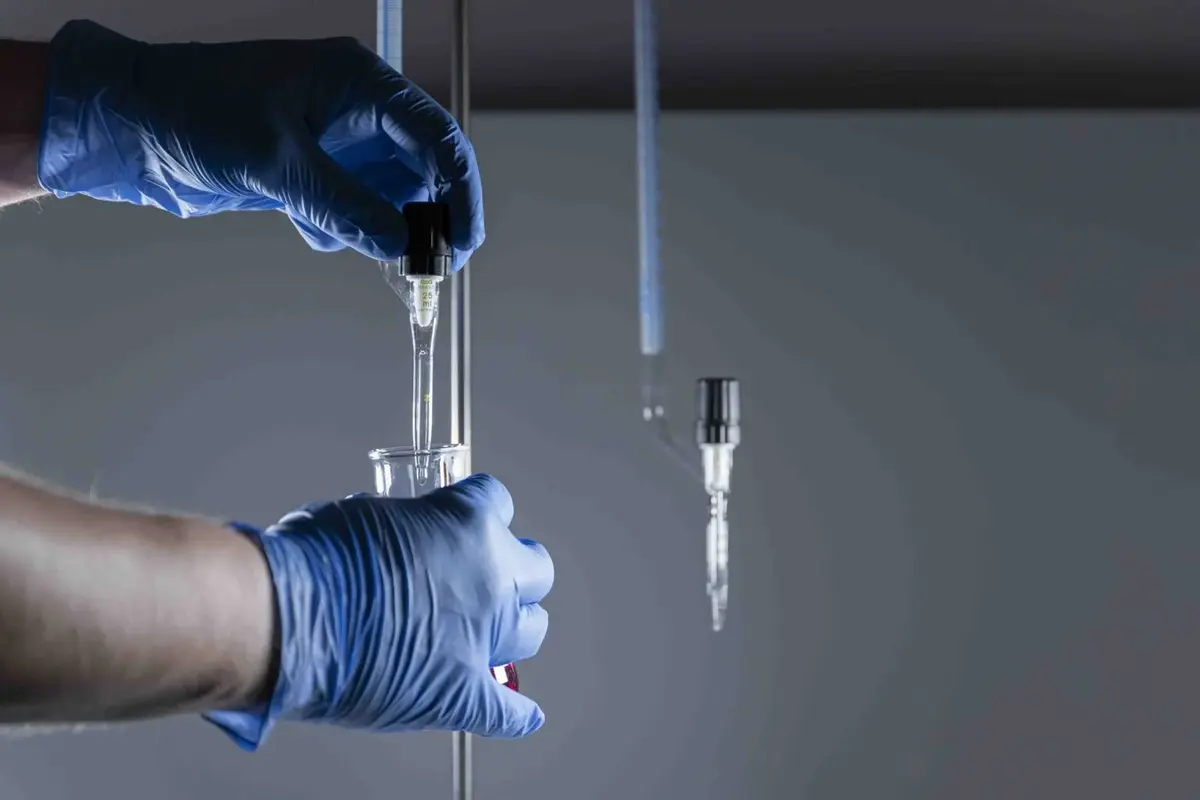
Not long ago, “PFAS” was a term reserved for environmental engineers and laboratory chemists. However, as we move through 2026, per- and polyfluoroalkyl substances—the “forever chemicals”—have officially entered the mainstream consciousness of New Jersey residents. For homeowners, renters, and property buyers across the state, the question is no longer if they should test for PFAS, but when.
This shift toward mainstream awareness is the result of aggressive state legislation, historic legal settlements, and a growing body of data that highlights the unique vulnerability of New Jersey’s water supply.
The 2026 “Protecting Against Forever Chemicals Act”
A major turning point occurred on January 12, 2026, when Governor Phil Murphy signed Senate Bill 1042, also known as the Protecting Against Forever Chemicals Act (PAFCA). This landmark legislation is one of the most comprehensive in the nation, establishing strict programs for the regulation of PFAS in consumer products and water management.
Key provisions of the 2026 Act include:
- Mandatory Research and Monitoring: The act appropriated $4.5 million to the NJDEP for PFAS-related research, monitoring, and environmental testing.
- Source Reduction Program: By early 2027, the state must implement programs to reduce the presence of PFAS in New Jersey’s air, water, and soil by encouraging safer alternatives.
- Consumer Disclosure: While the ban on sales of certain PFAS-containing products begins in 2028, the 2026 law has already sparked a massive push for transparency, leading many New Jersey families to question what is already in their local locations.
Why New Jersey Leads the Nation in Testing
New Jersey has long been at the forefront of the PFAS conversation because our state has some of the nation’s strictest Maximum Contaminant Levels (MCLs). While other states are just beginning to regulate these chemicals, New Jersey has been actively monitoring PFOA (14 ng/L), PFOS (13 ng/L), and PFNA (13 ng/L) for several years.
In early 2026, a Rutgers Health study revealed that these strict limits have already resulted in a 55% drop in toxic “forever chemicals” within public water systems. However, this success in public utilities has highlighted a gap for those in private residential property types:
- Private Wells: Unlike public systems, private wells are not continuously monitored by the state. This has led to a surge in testing services as well owners seek to ensure their private supply hasn’t been impacted by regional plumes.
- Property Transfers: In 2026, real estate testing for PFAS has become a standard request from buyers, who want documented proof of water safety before committing to a mortgage.
Landmark Settlements and Infrastructure Upgrades
The “mainstream” nature of PFAS is also fueled by news of historic financial settlements. In May 2026, the NJDEP moved forward with seeking judicial approval for multi-billion dollar settlements with major manufacturers like 3M, DuPont, and Solvay.
These funds are being funneled directly into water infrastructure, with over $3 billion already invested in upgrades to drinking water and wastewater systems across the state. For many homeowners, seeing new filtration “trains” (using Granular Activated Carbon or Ion Exchange resins) at their local water plant has brought the PFAS conversation home.
Targeted Diagnostics vs. General Concern
Despite the progress, the “forever” nature of these chemicals means they remain mobile and persistent in our groundwater. As we discuss on our blog, the biggest challenge for 2026 is the emergence of “substitute” chemicals used by industry to replace regulated PFOA and PFOS.
A modern certified water analysis is the only way to identify the specific “profile” of your water. Many homeowners find that our faq helps demystify the difference between parts-per-trillion and parts-per-billion, providing the clarity needed to choose the right home filtration solution.
Conclusion: Taking Control of Your Environment
New Jersey is no longer in the “discovery” phase of the PFAS crisis; we are in the “action” phase. By making PFAS testing a mainstream part of your home maintenance, you are joining a statewide effort to protect the health of our communities and the value of our properties.
At Olympian Water Testing of New Jersey, we provide the high-precision diagnostics that this new era of environmental awareness demands. Whether you are buying a home, maintaining a private well, or simply want to verify your building’s safety, we are here to help.
Contact us today to schedule a comprehensive analysis and ensure your family’s water meets the safety standards of 2026 and beyond.