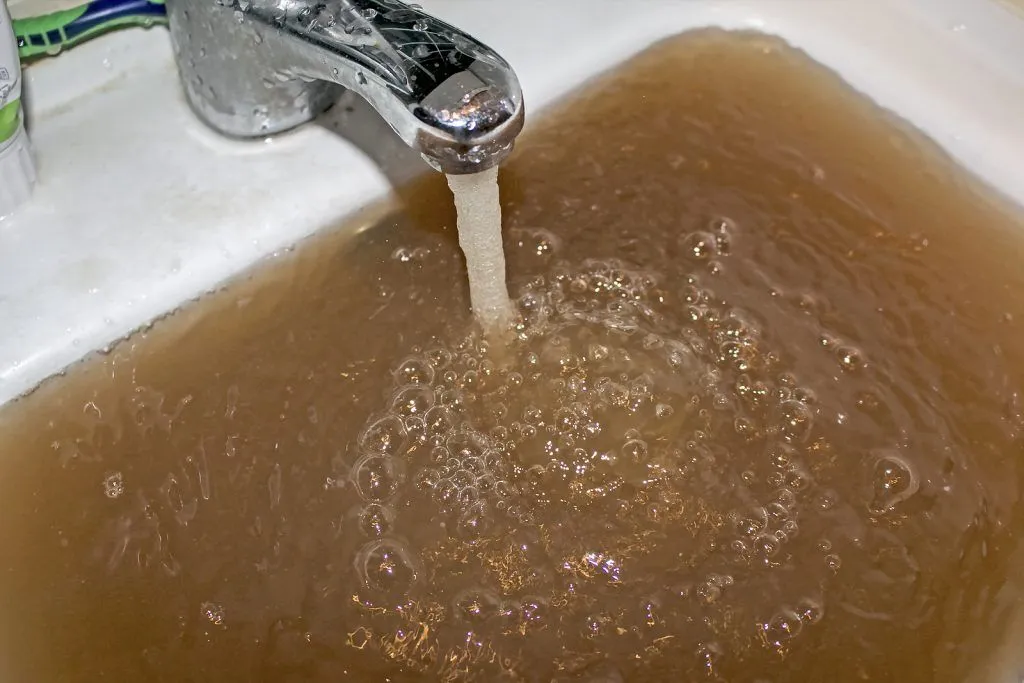
For many New Jersey residents, seeing a rusty or tea-colored swirl in the bathroom sink is an unsettling but familiar sight. Whether you’re in a historic colonial in Princeton or a mid-century ranch in Cherry Hill, brown water is often treated as a temporary nuisance—something to be “flushed out” until the stream runs clear.
However, as we move through 2026, environmental experts and health advocates are urging homeowners to change their perspective. Brown water is more than just an aesthetic flaw; it is a diagnostic signal from your plumbing and the state’s aging infrastructure. Dismissing these visual cues too quickly can lead to missed warnings about water issues that impact both your health and the longevity of your home.
The Common Culprits: Iron, Manganese, and Infrastructure
The most frequent cause of discolored water in the Garden State is the oxidation of minerals like iron and manganese. These elements are naturally occurring in New Jersey’s aquifers, but they become visible “rust” when they interact with oxygen or certain chemicals.
In 2026, several factors are making these occurrences more frequent:
- Infrastructure Upgrades: Major utilities, including New Jersey American Water, are currently in the midst of massive infrastructure investments. While replacing miles of aging water mains is a positive for the state, the construction and “main flushing” required for these upgrades often stir up decades of sediment, sending it directly into residential taps.
- Water Main Breaks: New Jersey’s older distribution networks are susceptible to pressure changes and temperature swings. A break in a 50-year-old pipe dislodges mineral buildup that can affect entire locations for hours or even days.
- Internal Pipe Degradation: If the brown water only appears at your tap for a few minutes before clearing, the problem likely isn’t the city’s water—it’s your own pipes. Aging galvanized steel pipes corrode from the inside out, shedding iron particles into the water after it sits still overnight.
Why “Clear” Doesn’t Always Mean “Safe”
The danger of dismissing brown water lies in what you can’t see once the color fades. Brown water acts as a “carrier” or an indicator of other systemic problems.
1. The Risk of Heavy Metal “Hitchhikers”
When sediment is stirred up in older pipes, it can dislodge more than just iron. Lead and copper particles often bind to mineral sediment. If your home was built before 1986, the same turbulence causing brown water could be releasing lead from older joints and solder. According to the NJDEP, even after the water looks clear, these invisible heavy metals can remain at elevated levels.
2. Bacterial Biofilms
Sediment provides a surface for “biofilms”—slimy layers of bacteria—to grow. While the iron itself may not be harmful, a chronic sediment problem in your pipes can shield pathogens from the chlorine used by water providers. This is a common concern for various property types that have sections of “dead-end” plumbing where water doesn’t circulate regularly.
3. Impact on Home Appliances
Beyond health, brown water is an economic threat. The sediment that colors your water is abrasive. It settles in the bottom of your water heater, reducing its efficiency and leading to premature failure. It can also clog the delicate intake valves of high-end dishwashers and washing machines.
Diagnostics: The Only Way to Be Sure
If you encounter brown water, the “Wait and See” method is the least effective strategy. Professional testing services can determine if the discoloration is a harmless aesthetic issue or a sign of corrosive water that is eating away at your home’s infrastructure.
A comprehensive analysis will look at:
- Secondary Standards: Measuring iron and manganese levels against New Jersey’s recommended upper limits.
- Corrosivity Indices: Determining if your water is “aggressive” enough to leach lead and copper.
- Point-of-Use Integrity: Verifying if the issue is coming from the street or your internal plumbing.
For many homeowners, the answers are often found in our faq, where we break down how to distinguish between city-wide issues and home-specific plumbing failures. We also feature regular updates on local water trends on our blog.
Taking Action for a Safer Home
When your water changes color, it is providing you with a data point. Use it. Whether you are a new buyer going through real estate testing or a long-time resident, understanding the chemistry behind the color is essential.
At Olympian Water Testing of New Jersey, we specialize in the hyper-local challenges of our state’s water supply. We don’t just tell you that your water is brown; we tell you why and what it means for your family’s safety.
Don’t ignore the warning signs. Contact us today to schedule a professional water analysis and ensure that when your water runs clear, it’s actually clean.