When families plan for home safety, we instinctively focus on what we can see: child-proofing cabinets, securing heavy furniture, and installing safety gates. Yet, there is a fundamental pillar of child safety that is often relegated to the background: the quality of the water they drink and bathe in every single day.
For children, who are still developing physically and neurologically, the standards for water safety are not the same as they are for adults. Because of their smaller body weight and higher metabolic rates, children are significantly more vulnerable to environmental contaminants. When it comes to residential water testing, the needs of our youngest family members should never be a side topic—they should be the primary driver of our testing strategy.
Why “Safe for Adults” Isn’t Always “Safe for Kids”
The Environmental Protection Agency (EPA) sets Maximum Contaminant Levels (MCLs) based on what is technically and economically feasible for the general population. However, these regulations don’t always account for the unique developmental stages of infants and young children.
- Lead and Copper: There is no known safe level of lead exposure for children. Even low concentrations, which might go unnoticed by an adult, can cause irreversible developmental delays, cognitive impairment, and behavioral issues in children. Since lead often leaches from home infrastructure—specifically lead service lines or lead-based solder in older pipes—parents cannot assume the water is safe simply because it passed a municipal check at the treatment plant.
- Nitrates: Particularly dangerous for infants, high nitrate levels can interfere with the blood’s ability to carry oxygen, a condition sometimes called “blue baby syndrome.” If you are on a private well in an agricultural area or near an older septic system, this is a risk that must be monitored.
- Bacteria and Viruses: A stomach bug that results in a missed day of work for an adult can lead to severe dehydration and hospitalization for a toddler. When bacteria results indicate even a trace of contamination, it must be treated with the highest urgency in households with children.
A Proactive Scope for Families
If you have children in the house, your testing scope should be more stringent than the standard “potability” check. It should include:
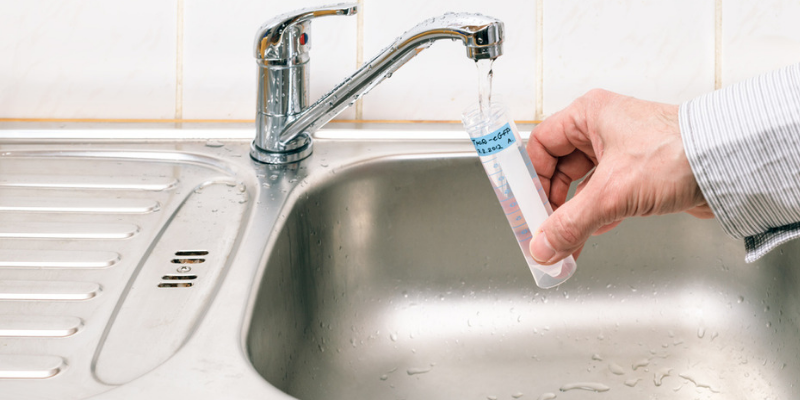
- First-Draw Sampling: Ensure your test captures the water that has been sitting in the pipes overnight. This is where metallic leaching is most concentrated and where children are most likely to be exposed during their morning routine.
- Expanded Mineral Panels: Don’t just test for the “big two” (lead and bacteria). Look at your water’s pH and mineral content. If your water is highly acidic, it is a persistent driver of heavy metal leaching, and identifying it allows you to stop the problem at the source.
- Frequency Matters: If you rely on a private well, don’t just test when you move in. Children’s health needs change as they grow, and groundwater quality can shift. Establish a consistent annual testing schedule.
The “Peace of Mind” Factor
We often hear from parents who feel overwhelmed by the sheer volume of “what-ifs” in raising a child. Water testing shouldn’t add to that stress—it should provide the antidote to it.
When you have a certified lab report confirming your water quality, you can stop wondering if the tap water is safe for the baby’s formula or the kids’ morning cereal. You move from a state of uncertainty to a state of data-backed confidence.
Taking the Right Steps
If you are concerned about your home’s water, the best approach is to stop treating it as a “someday” project. Olympian Water Testing of New Jersey works with families across the state to design testing plans that prioritize the specific, sensitive needs of children.
We can help you navigate the nuances of your local water source, the age of your home’s plumbing, and the specific contaminants that pose the highest risk to developing bodies. Contact our team today to discuss your home’s testing needs, or browse our service locations to see how we help families throughout your community.
Have you explicitly asked for a lead and copper analysis that includes “first-draw” sampling to ensure you are checking the water exactly as your children consume it?