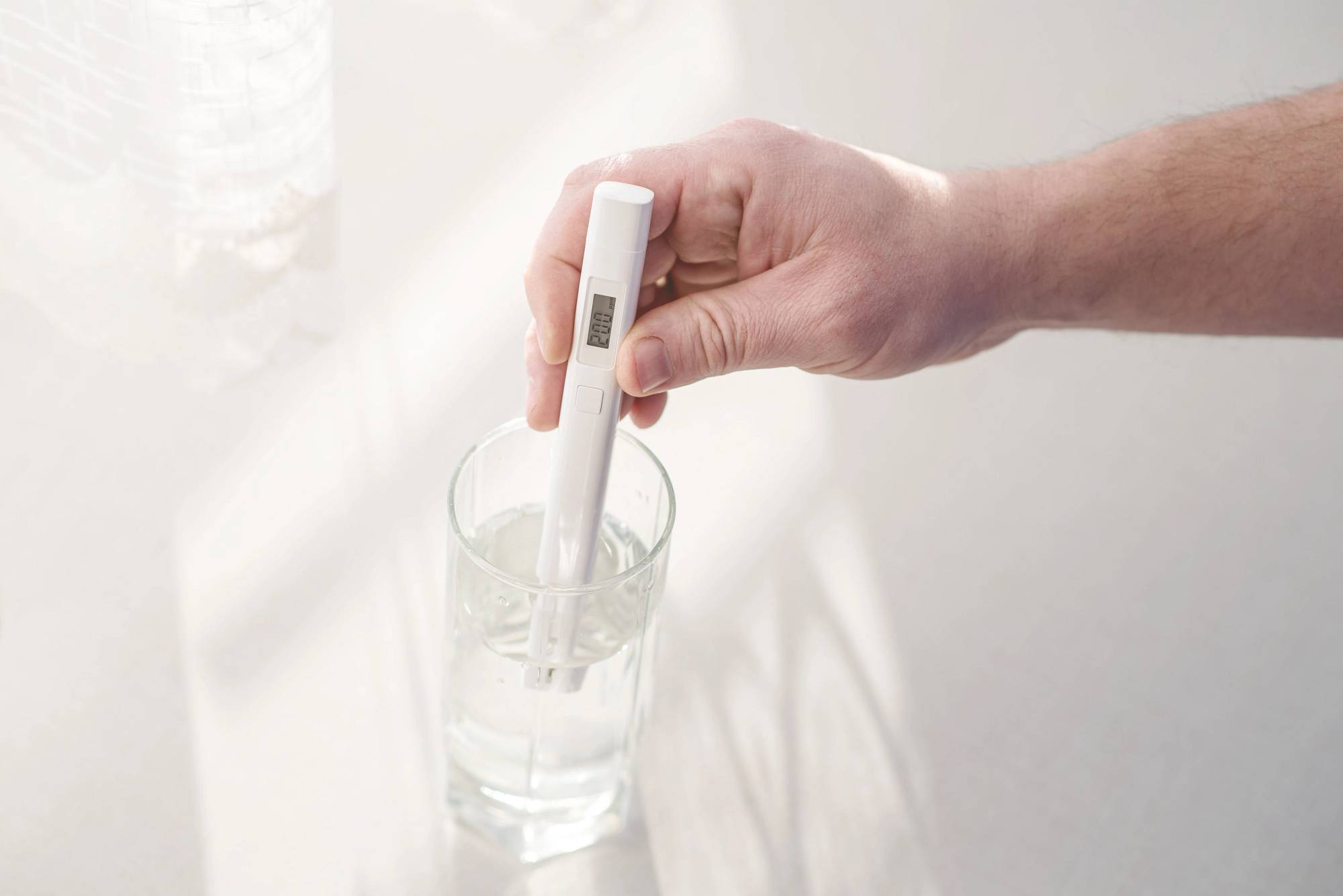
School Water Testing in New Jersey Needs Better Planning From the Start
In New Jersey, the safety of our schools is a priority that goes beyond classroom curriculum and building security. It extends to the very pipes that deliver water to our students and staff. While state regulations provide a framework for testing, the difference between “compliance” and “true safety” often comes down to the quality of the planning that happens before the first sample is even collected.
Beyond the Regulatory Checklist
New Jersey mandates a rigorous three-year cycle for lead in school drinking water, requiring all regulated entities to test every outlet used for consumption or food preparation. While this regulatory oversight is vital, it can inadvertently encourage a “check-the-box” mentality. When water testing is viewed solely as a mandate to be fulfilled by a June 30th deadline, schools miss the opportunity to develop a comprehensive water safety strategy.
Effective planning begins with a deep dive into the building’s “plumbing profile.” A truly proactive school facility plan should address:
- Infrastructure Age: Many New Jersey schools are historic, featuring legacy plumbing that requires more than just standard testing. Planning should prioritize high-risk areas identified in the plumbing survey.
- Occupancy Cycles: Schools are unique environments. Long breaks, such as summer or winter holidays, create stagnant water conditions that can artificially skew lead and bacteria levels. A well-planned testing program accounts for these cycles rather than ignoring them.
- Systemic vs. Localized Issues: A failed test at a single fountain shouldn’t just result in a “shut off” sign; it should trigger an investigation into whether that fixture is symptomatic of broader water issues within the school’s piping.
The Importance of a Professional Sampling Plan
The Quality Assurance Project Plan (QAPP) is more than just a document for the state—it is the blueprint for your school’s health. A high-quality QAPP doesn’t just list what will be tested; it ensures that the people collecting the samples understand the nuances of the building.
Professional samplers know how to execute “first draw” and “flushed” sampling protocols correctly, ensuring that the results accurately reflect the water quality. When planning is rushed or handled by individuals without specific expertise, the margin for error increases, leading to inconclusive data and potentially leaving the school with a false sense of security.
Proactive Remediation vs. Reactive Patching
When a test result comes back above the action level of 15 ppb (parts per billion), the immediate response is to secure the fixture. But what happens next?
Better planning allows schools to budget for and implement long-term solutions—like upgraded filtration systems or piping replacements—rather than resorting to temporary fixes like bottled water or manual flushing. By understanding the “why” behind a failed test, administrators can move from crisis management to infrastructure stewardship.
Engaging the Community
Transparency is a fundamental part of the New Jersey Department of Education’s requirements. However, you can do more than just post a PDF on a website. Schools that plan ahead provide context. They explain what the tests mean, what the school is doing to protect students, and how parents can participate in the process. When the community understands the commitment to water safety, it fosters a culture of trust.
Moving Forward with Confidence
Every school in New Jersey has a unique plumbing story. Whether your facility is a modern campus or a century-old building, your water testing program should be as dynamic and well-prepared as the education you provide.
If your district is preparing for the next testing cycle, don’t wait until the deadline is looming. Start by reviewing your current real estate testing or facility maintenance plans to see if your approach to water is truly proactive. Our team is experienced in navigating the specific regulatory landscape of New Jersey schools and can help you build a testing scope that prioritizes student health and operational clarity.
Visit our service locations to learn more about how we support educational facilities, or contact our experts today to begin planning your school’s next water quality assessment.
Is your school’s current water management plan designed to address long-term infrastructure health, or is it primarily focused on meeting the minimum state-mandated testing cycle?