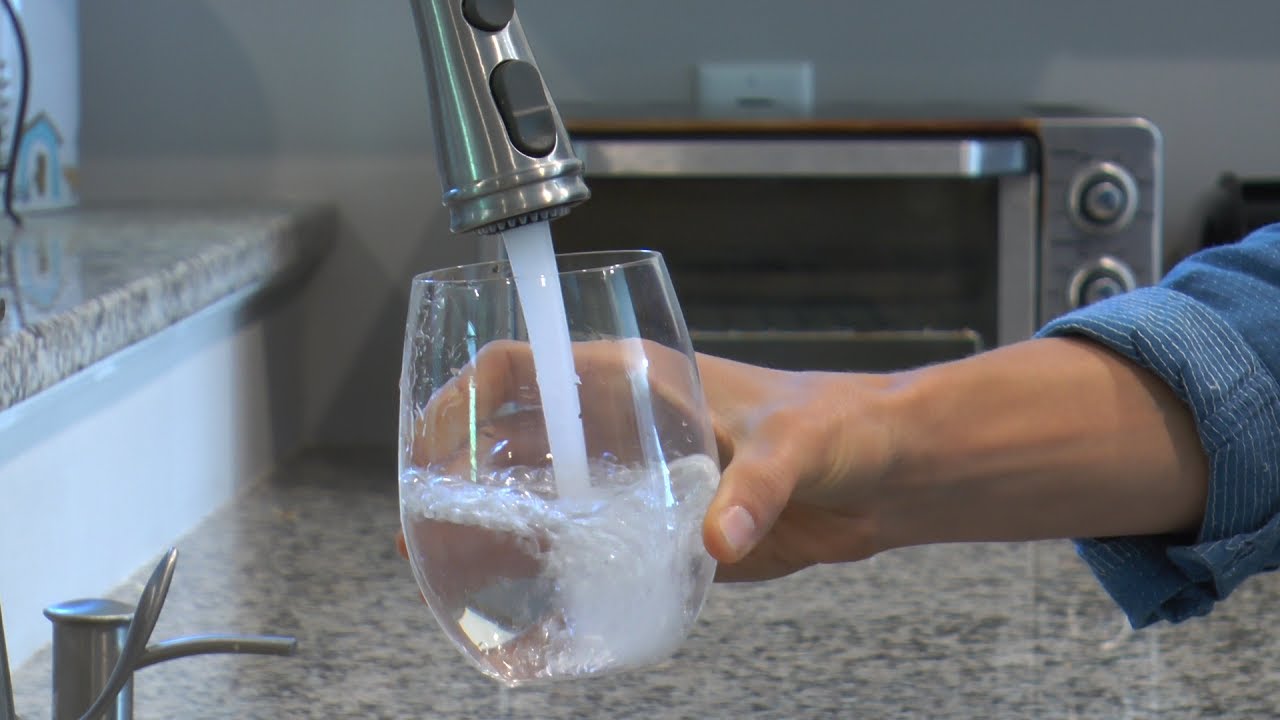
For families in New Jersey, the turn of a faucet is an act of trust. We expect the water used for our children’s formula, our morning coffee, and our evening meals to be safe. Yet, as we move through 2026, the data remains clear: lead in drinking water is not a problem of the past. It is a modern, active challenge that requires vigilant attention from every homeowner in the Garden State.
While New Jersey has become a national leader in addressing this issue, the complexity of our infrastructure—combined with the unique chemical properties of our water—means that the risk of lead exposure remains a hyper-local concern.
The 2031 Mandate: A Race Against Time
In July 2021, New Jersey enacted landmark legislation (P.L.2021, c.183) that set an ambitious goal: the replacement of every lead service line in the state by 2031. As of 2026, we are at the halfway point of this decade-long initiative. Major utilities, such as New Jersey American Water, have already replaced thousands of miles of pipe, but the sheer scale of the task is immense.
It is important to understand that a “lead service line” isn’t just the utility-owned pipe under the street. It includes the “customer-owned” portion that runs from the curb into your home. Under current laws, utilities are required to notify residents if their line is made of lead or galvanized steel (which is now treated with the same urgency as lead). If you have received a notice, or if your property is of an age where the material is “unknown,” it is a signal that your water requires immediate professional testing services.
Why Lead is an “Invisible” Threat
Lead rarely exists in the source water provided by New Jersey’s reservoirs or aquifers. Instead, it enters the water through leaching. This occurs when corrosive water sits in lead pipes, or pipes joined with lead solder, for several hours. The lead literally dissolves into the water.
Because lead is tasteless, odorless, and colorless, you cannot rely on your senses to detect it. This is why professional diagnostics are the only way to verify safety. A certified water analysis doesn’t just look for lead; it looks at the corrosivity of your water, which can indicate if your plumbing is actively degrading.
The Risk to Children: A 2026 Legislative Priority
The push for better water quality is fueled by the known health impacts on our most vulnerable population. In early 2026, the New Jersey Legislature introduced S3223, a bill that would require schools and childcare centers to test for lead every two years and lower the “action level” to just 5 parts per billion (ppb)—a significant drop from the previous federal standard of 15 ppb.
This shift reflects the scientific consensus that there is no safe level of lead for children. Even low levels of exposure are linked to:
- Lowered IQ and learning disabilities.
- Behavioral issues and hyperactivity.
- Delayed physical development.
If the state is tightening standards for schools, it is a clear message to parents that the home environment deserves the same level of scrutiny. Understanding the water issues in your specific town is the first step toward protection.
New Jersey’s Diverse Property Landscape
The risk of lead exposure is often tied to the age and history of your neighborhood.
- Historic Districts: In older locations like Jersey City, Newark, or Elizabeth, lead service lines were the standard for decades.
- Post-War Suburbs: Homes built between 1950 and 1986 may not have lead service lines, but they almost certainly utilized lead solder to join copper pipes.
- Recent Renovations: As we’ve noted in our blog, even recent renovations can hide older “pigtails” or fittings that contribute to lead spikes.
Before closing on a home, savvy buyers are now making real estate testing a non-negotiable part of their due diligence, ensuring they aren’t inheriting a hidden health hazard.
Taking Control: Steps for Every Homeowner
While the state works toward 2031, there are actions you can take today:
- Identify Your Pipes: Check the pipe entering your home near the water meter. If it is dull gray and easily scratched with a coin to reveal a shiny silver color, it is likely lead.
- Flush the Lines: If water hasn’t been used for more than six hours, run the cold water for 2-3 minutes before using it for drinking or cooking.
- Check the Aerators: Small particles of lead can get trapped in the screens of your faucets. Clean these out regularly.
- Professional Verification: Consult our faq for guidance on how to interpret water reports and when to schedule a professional lab test.
At Olympian Water Testing of New Jersey, we are committed to helping Garden State families navigate these challenges. We provide the certified, high-precision testing needed to identify lead risks in your home’s specific plumbing.
The 2031 deadline is a goal for the state, but your family’s safety is a goal for today. Contact us to schedule an analysis and ensure your home’s water is truly safe for everyone.