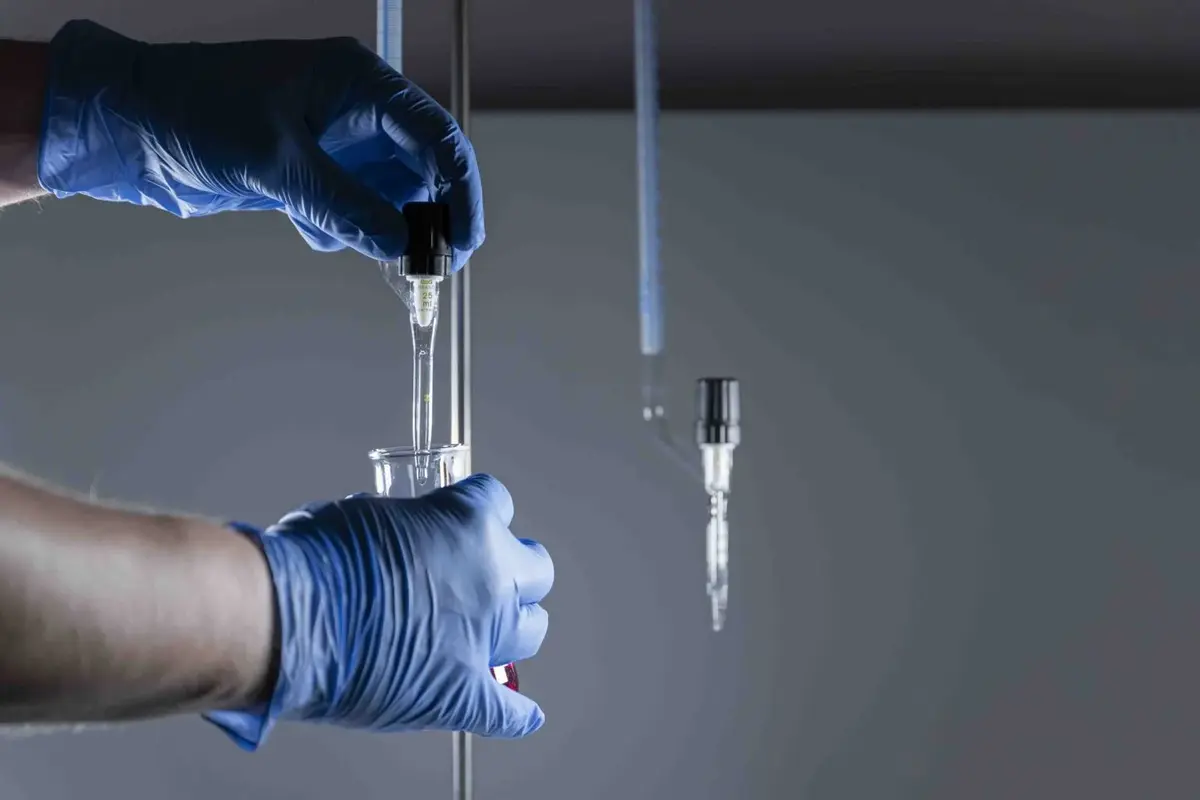
For generations, families across the Garden State viewed water quality as a settled matter. Whether you lived in the historic neighborhoods of Bergen County, the sprawling suburbs of Middlesex, or the coastal towns of Monmouth, the expectation was simple: you turn on the tap, and the water is safe. However, as we move through 2026, that landscape has fundamentally shifted.
Today, New Jersey families are facing a complex array of modern water issues. From the “forever chemicals” (PFAS) that dominated headlines last year to the persistent challenges of aging infrastructure and lead service lines, the stakes for home water safety have never been higher. This has transformed professional diagnostics from an occasional “peace of mind” check into a critical household priority.
The Push for Transparency in 2026
The shift toward professional testing is largely driven by a demand for transparency. Recent data from the New Jersey Department of Environmental Protection (NJDEP) reveals a state in transition. While major public water systems have made significant strides—dropping PFAS levels by nearly 55% over the last few years—a significant portion of the population still remains in the dark about the quality of the water entering their specific homes.
Families are beginning to realize that “compliant with state standards” doesn’t necessarily mean “free of risk.” While the state has set some of the nation’s strictest Maximum Contaminant Levels (MCLs) for chemicals like PFOA and PFNA, these standards are only as good as the pipes they travel through. For families in older homes, the risk of lead leaching from solder or service lines is a localized problem that no municipal report can account for. This realization has led to a surge in testing services that provide point-of-use analysis.
The Private Well Challenge: You Are the Utility
In New Jersey, the burden of water safety is particularly heavy for the roughly 1.1 million residents who rely on private wells. These homeowners are effectively their own “water commissioners.” Under the New Jersey Private Well Testing Act (PWTA), testing is legally mandated during property transfers, but many families are realizing that a once-a-decade test is insufficient.
In 2026, the PWTA requirements have expanded. As of May 2025, additional PFAS parameters, including GenX, PFHxS, and PFBS, have been added to the standard testing panels in accordance with updated federal guidelines. For those in rural locations across Hunterdon, Sussex, and Warren counties, annual testing has become the new gold standard for family health.
Why Real Estate Testing is No Longer “Standard”
The real estate market in New Jersey has always been fast-paced, but real estate testing has become a more nuanced phase of the closing process. Buyers are no longer satisfied with the bare minimum required by law. They are asking about:
- Gross Alpha and Uranium: Particularly in Northern New Jersey, where geological formations can lead to naturally occurring radiological contaminants.
- Volatile Organic Compounds (VOCs): A legacy of New Jersey’s industrial past that can persist in groundwater plumes for decades.
- Infrastructure Materials: Buyers want to know if the “bones” of the house are contributing to water issues like copper or lead spikes.
This proactive approach ensures that new families don’t inherit hidden environmental liabilities. For more on what to look for during a home purchase, our blog offers deeper dives into the specific risks associated with different New Jersey counties.
The Growing Concern Over Pathogens
While chemical contaminants like PFAS and lead dominate the news, biological threats remain a constant priority. New Jersey’s high water table and frequent extreme weather events—like the heavy spring rains of early 2026—can lead to surface runoff entering poorly sealed wells or aging distribution lines.
Bacteria like Coliform and E. coli are acute risks, meaning they can make a family sick within 24 hours. Families are increasingly treating bacteria testing with the same gravity as heavy metals, recognizing that a “clear” glass of water can still be biologically compromised. If you’re unsure which biological markers you should be checking for, our faq section breaks down the most common pathogens found in Jersey aquifers.
Moving Beyond DIY Kits
As the complexity of water chemistry becomes better understood, families are moving away from the “strip tests” found in big-box hardware stores. These DIY kits often lack the sensitivity required to detect contaminants at the “parts per trillion” (ppt) levels that current health guidelines emphasize.
A professional, certified laboratory analysis provides a data-driven narrative of your home’s water. It identifies the exact concentration of contaminants, allowing for the selection of filtration systems that are actually effective for your specific locations. Without accurate data, a homeowner might spend thousands on a reverse osmosis or carbon filtration system that isn’t designed to handle the specific mineral or chemical load of their water.
Taking Action for Your Family’s Health
The evolution of water testing in New Jersey is a win for public health. When families are informed, they can make better decisions about their home maintenance and their children’s safety. Protecting the next generation starts with a simple question: What is actually in my water?
At Olympian Water Testing of New Jersey, we provide the high-precision diagnostics required to navigate the unique environmental challenges of the Garden State. We understand the specific plumbing nuances of New Jersey’s diverse property types and provide the certified results you need for true peace of mind.
The journey to cleaner water starts with a conversation. We invite you to contact us today to discuss the specific needs of your household or to schedule a comprehensive analysis of your property.
Conclusion: A Proactive Future
The fact that New Jersey families are making professional water testing a priority is a sign of a more health-literate and environmentally conscious state. By staying ahead of water issues, we are ensuring that the Garden State remains a safe place to grow for decades to come. Don’t wait for a public notice to act—get the data, understand the risks, and take control of your home’s most essential resource.